Published: 04/08/2026
By Catherine Wu, Global Health Communications Assistant
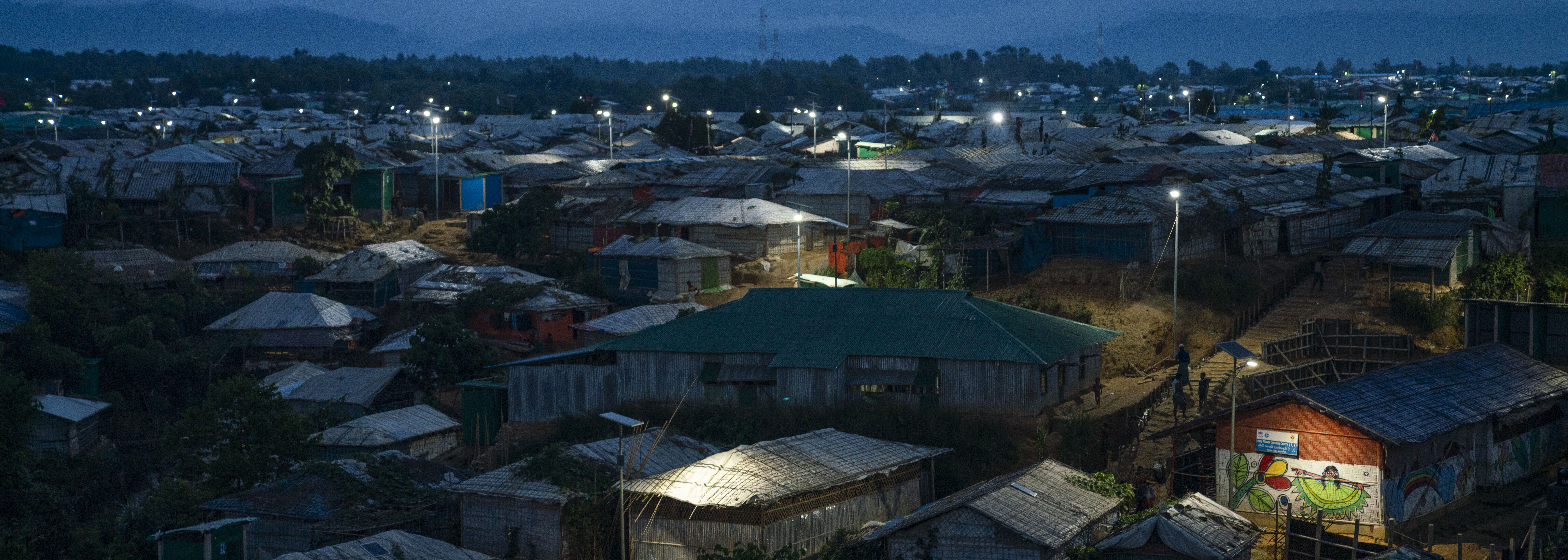
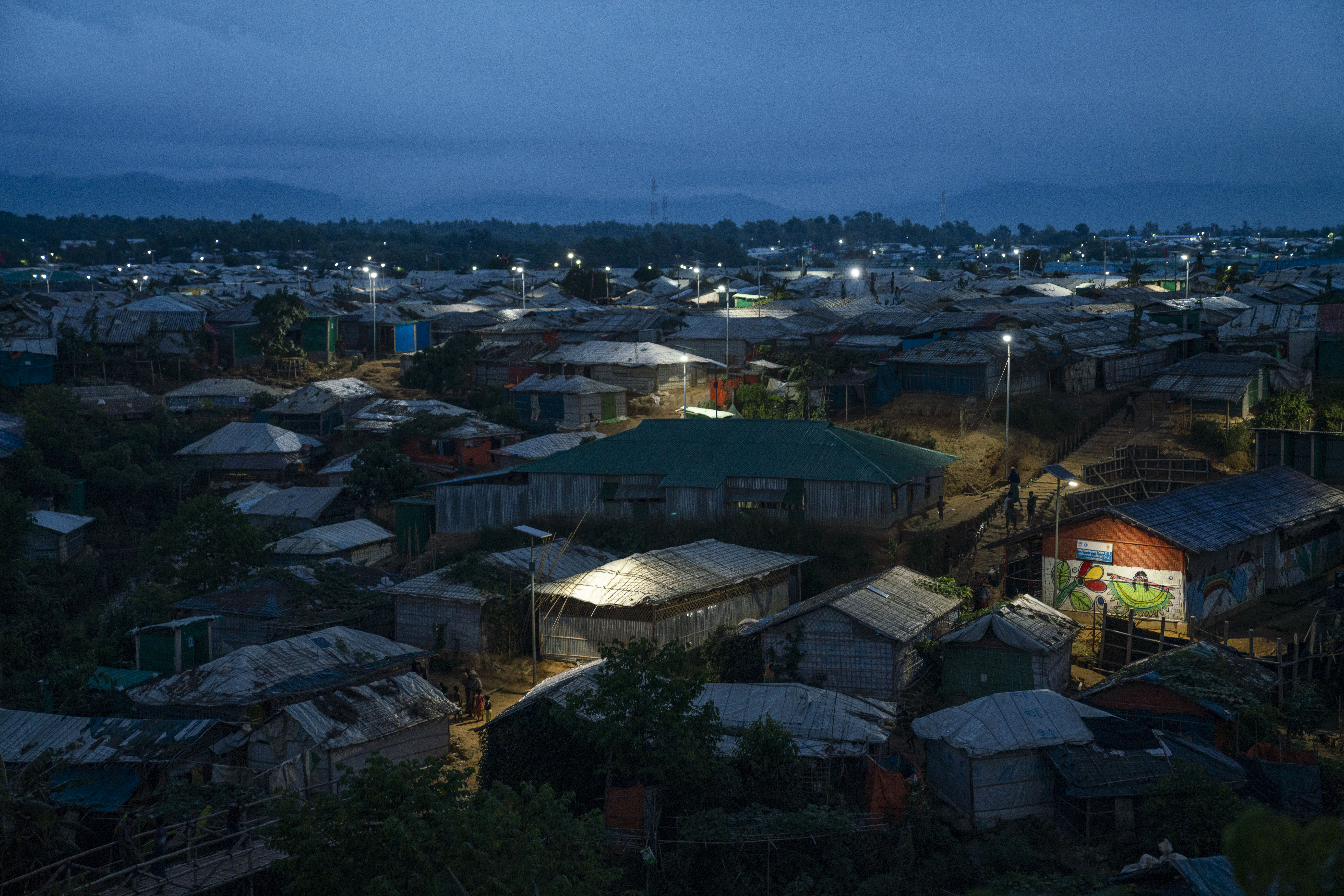
A new commentary in The Guardian raises awareness about the impacts of recent cuts to international aid to Rohingya refugee camps, impacting the ethnically-cleansed refugees from Myanmar who fled to Bangladesh following genocide against in 2020.
The comment calls for funding to help restore fuel across the camps, as refugees face a return to cooking with debris and waste, which generates toxic flames, and children are kept out of school to scour for firewood.
“Funding for fuel has faltered again, threatening both the food security of the Rohingya and the safety of the remaining forests,” wrote Ajas Khan, a Rohingya refugee youth leader from Rakhine state, Myanmar.
The Rohingya Joint Response Plan, which supplied cooking fuel to the refugees, received a sharp decline in funding following global cuts to foreign aid in 2025.
“Before the last year, the camps were greener and the people more hopeful. However, it seems the US has decided that providing this hope is not in its interest. This couldn’t be further from the truth,” Khan wrote.
The financial importance of investing in the Rohingya people goes much further than how much money it saves.
Ajas Khan, a Rohinghya refugee youth leader
The comment is co-written by Gavin Nalu and Chloe Chan, two students in the Science Writing Advancing Global and Planetary Health (SWAP) program. For their project, Nalu, a Master’s Student in Environmental Communication, and Chan, a junior studying Human Biology, collaborated with Christopher LeBoa, PhD, a postdoctoral scholar and fellow in the National Institutes of Health Global Health Emerging Scholars program supported by CIGH. They were also supported by mentorship from global health communications expert Gabby Stern.
“Working with Dr. Le Boa and Rohingya advocate Ajas Khan, we helped communicate why restoring Liquefied Petroleum Gas cooking funding is critical not only for refugee well-being but also for protecting local ecosystems and preventing further instability in the camps,” Chan and Nalu wrote in a reflection about their SWAP project.
The op-ed, which represents the culmination of the project, “combines scientific research, humanitarian evidence, and Ajas’s personal story as a Rohingya refugee,” Chan wrote. “By grounding the science in lived experience, we aimed to make the issue more accessible and compelling for U.S. readers and policymakers.”
By grounding the science in lived experience, we aimed to make the issue more accessible and compelling for U.S. readers and policymakers.
CHLoE CHAN, Science Writing Advancing Global and Planetary Health Student
“While crises and catastrophes have become normal for Rohingya refugees, the reduction in humanitarian aid creates a new instability that could cost lives,” Khan wrote.
Read the full comment here.
Anyone interested in learning more about the Rohingya’s ongoing struggle for health and justice can attend an event on May 5, 2026: Beyond Displacement: The Rohingya Struggle for Justice, taking place online and at UC Berkeley.